My Physical Rehabilitation Glossary
My name is Heïdi, and I am currently in my fourth session of the CEGEP. I have been in the Physical Rehabilitation program for two years. My glossary is intended for people who have an interest in the field of health. My glossary will be of interest to people who would like to learn more about the human body. It will be based on different terms which are often used in my field. My glossary could serve as a memory aid for people who need to memorize this. It would help people study and learn bones and muscles more easily. It contains 30 terms that might be useful to them. This glossary contains words related to the human body. It contains bone and muscle terms, parts of speech, definitions in sentence case from Google Search using "define" + the term, text-to-speech pronunciation models, images from Wikimedia Commons, automatic translations to French, and authentic example sentences from the Lextutor Condordancer. After looking at this glossary, I suggest you take the vocabulary matching exercise at the end of this glossary and print out the card game to help you study.
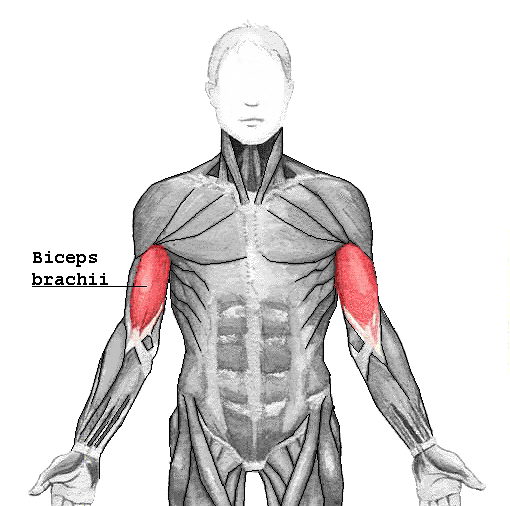
- biceps
- noun
- A large muscle in the upper arm which turns the hand to face palm uppermost and flexes the arm and forearm.
- Example: Microscopic studies of the gastrocnemius, pectoralis major, transversus abdominis, biceps brachii, and diaphragm showed atrophy as well as varying degrees of injury ranging from swelling and vacuolization to focal necrosis of the muscle fibers.
- fr: biceps
- deltoid muscle
- noun
- Each of the three parts of a deltoid muscle, attached at the front, side, and the rear of the shoulder.
- Example: The acromion, the origin of the deltoid muscle, the tuberosity of the radius, the insertion of the bicep by way of a strong tendon, and the supinator crest of the ulna (McMinn & Hutchings 1985), are well-developed indicating strong muscles of both the upper and lower arm.
- fr: muscle deltoïde

- femur
- noun
- The bone of the thigh or upper hind limb, articulating at the hip and the knee.
- Example: Stepwise discriminant function analysis of the Thai humerus and femur allowed 94%-96% sex classification accuracy.
- fr: fémur

- fibula
- noun
- The outer and usually smaller of the two bones between the knee and the ankle in humans (or the equivalent joints in other terrestrial vertebrates), parallel with the tibia.
- Example: With the 8 mm clasts, some abrasion of the femur heads, and the separation of tibia and fibula occurred, but after one additional hour with the large clasts, articular ends were broken, leaving an assemblage of broken ends and shafts: articular ends - Fig. 1.9b, h, i, n, t; and shaft fragments - Fig. 1.9c, o, u.
- fr: fibula

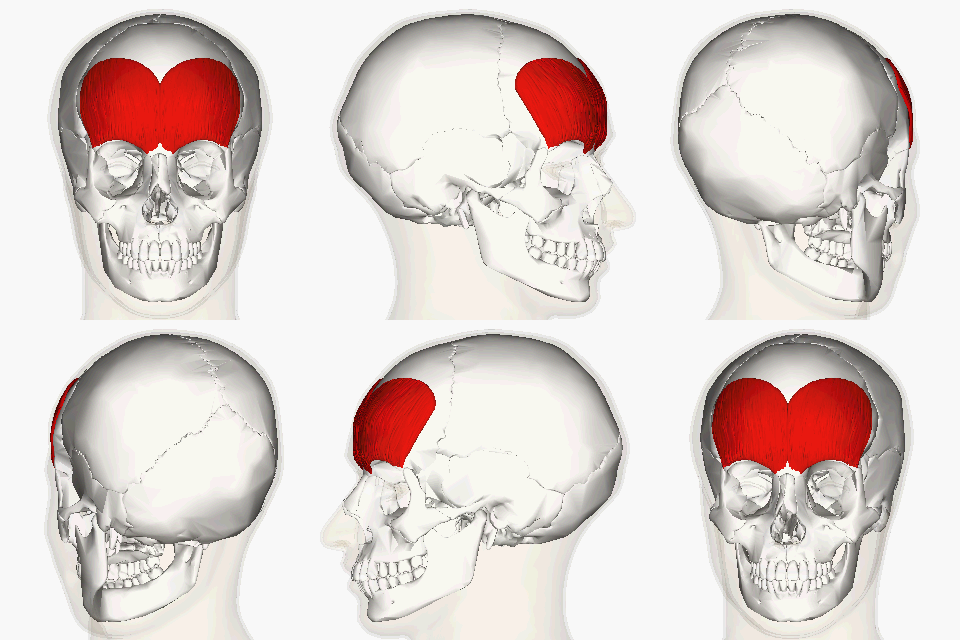
- frontalis muscle
- noun
- The frontalis muscle (from Latin 'frontal muscle') is a muscle which covers parts of the forehead of the skull. Some sources consider the frontalis muscle to be a distinct muscle. ... The frontalis muscle is supplied by the facial nerve and receives blood from the supraorbital and supratrochlear arteries.
- Example: Forehead sparing - with upper motor neurone lesions where the lesion is between the contralateral cerberal cortex and the pons, the muscles of the upper part of the face (especially frontalis with function of raising the eyebrow and furrowing the brow) may be spared.
- fr: muscle frontal
- humerus
- noun
- The bone of the upper arm or forelimb, forming joints at the shoulder and the elbow.
- Example: The other skeletal elements displayed are mandible (mand), maxilla (max), scapula (scap), humerus (hum), radius (rad), ulna, pelvis (pelv), femur (fem), tibia (tib) and vertebrae (vert).
- fr: humérus

- ilium
- noun
- The large broad bone forming the upper part of each half of the pelvis.
- Example: The Pelvis and sacrum have been well-preserved, however the right pubis has separated from the ilium.
- fr: ilion

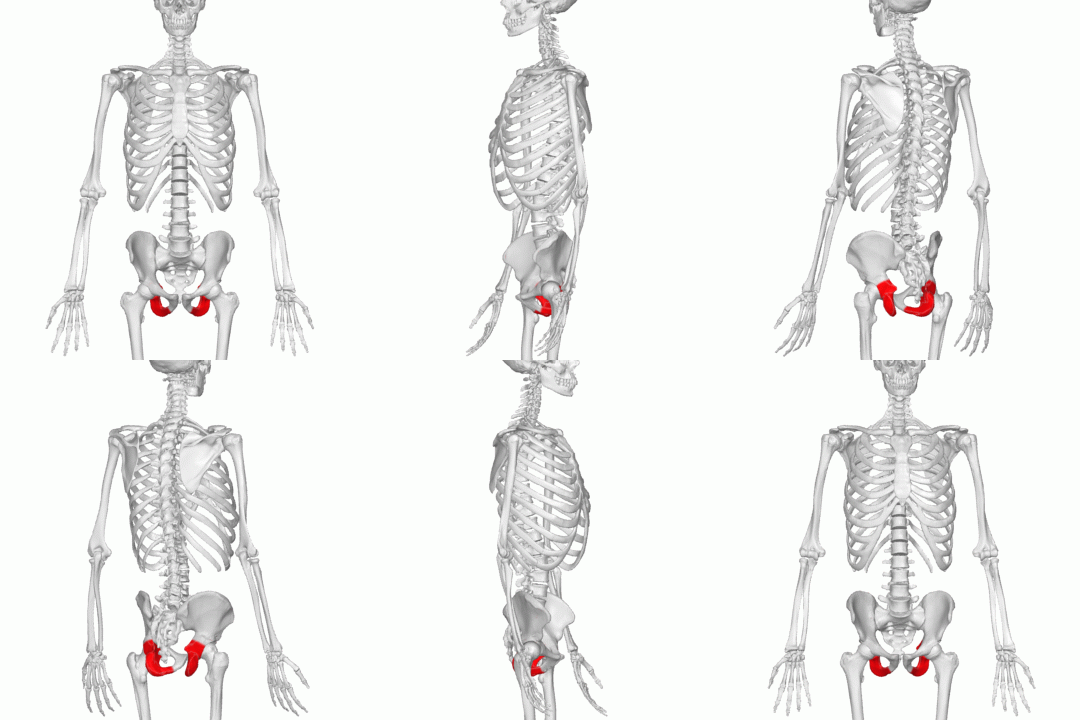
- ischium
- noun
- The curved bone forming the base of each half of the pelvis.
- Example: We had to look at different aspects of the Ilium, Pubis and ischium and grade them from male to female.
- fr: ischium
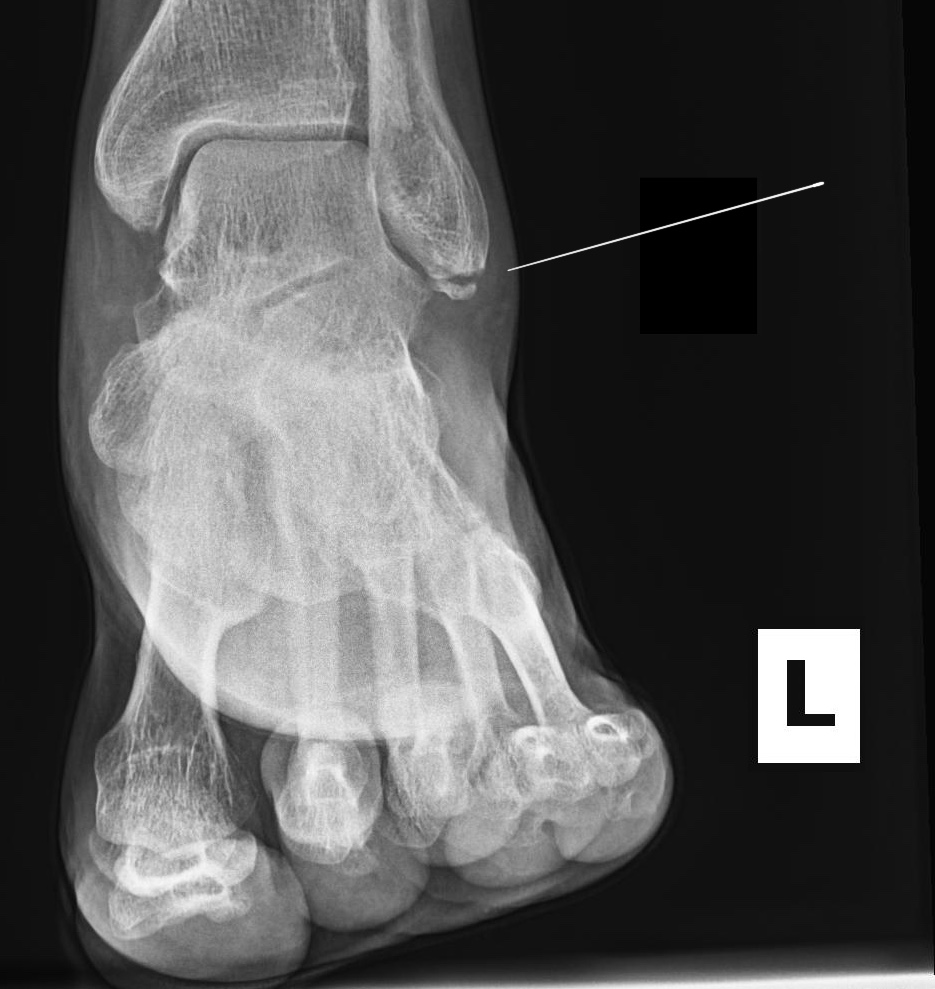
- lateral malleolus
- noun
- The lateral malleolus forms the lower extremity of the fibula. It is of a pyramidal form, and somewhat flattened from side to side; it descends to a lower level than the medial malleolus.
- Example: The severest pain localized was described as being over the lateral malleolus. had a decreased range of movement in the ankle joint (dorsiflexion, plantarflexion, eversion and inversion). and felt unable to weight bear on the ankle immediately after the injury. was provided with crutches and a below knee plaster of paris cast at A&E.
- fr: malléole latérale
- latissimus dorsi muscle
- noun
- Either of a pair of large, roughly triangular muscles covering the lower part of the back, extending from the sacral, lumbar, and lower thoracic vertebrae to the armpits.
- Example: External rotation is impaired to a greater degree than internal rotation as it is accomplished by infraspinatus, which was clearly wasted in whereas internal rotation is achieved by pectoralis major, latissimus dorsi and deltoid, muscles appearing to be unaffected.
- fr: muscle grand dorsal

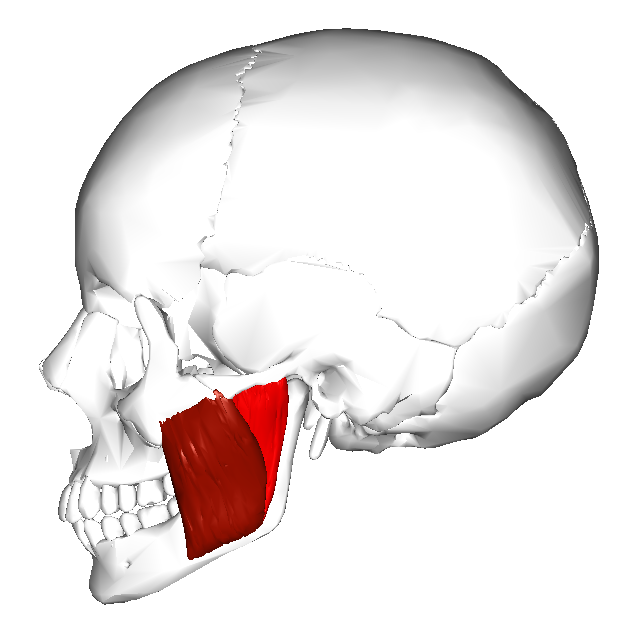
- masseter muscle
- noun
- A muscle which runs through the rear part of the cheek from the temporal bone to the lower jaw on each side and closes the jaw in chewing.
- Example: Herbivores however, use a developed masseter muscle to masticate plant food in a circular, lateral movement- a procedure that carnivores do not posses.
- fr: muscle masséter
- medial malleolus
- noun
- You probably know the medial malleolus as the bump that protrudes on the inner side of your ankle. It's actually not a separate bone, but the end of your larger leg bone — the tibia, or shinbone. The medial malleolus is the largest of the three bone segments that form your ankle.
- Example: The mechanism of injury would be classified according to the Supination External Rotation (SER) category: SE I - Disruption of anterior tibiofibular ligament SE II - Spiral oblique fracture of the distal fibula originating near the level of the tibial plafond SE III - Disruption of the posterior tibiofibular ligament or fracture of posterior malleolus SE IV - Oblique fracture of medial malleolus or rupture of deltoid ligament The examination is consistent with an SE II fracture of the lateral malleolus of the right ankle as there is localized tenderness over this area.
- fr: malléole médiale

- metacarpal
- noun
- Any of the five bones of the hand.
- Example: For example, the femur, compared with metacarpal bones (a small collection of bones in the wrist- W.
- fr: métacarpien

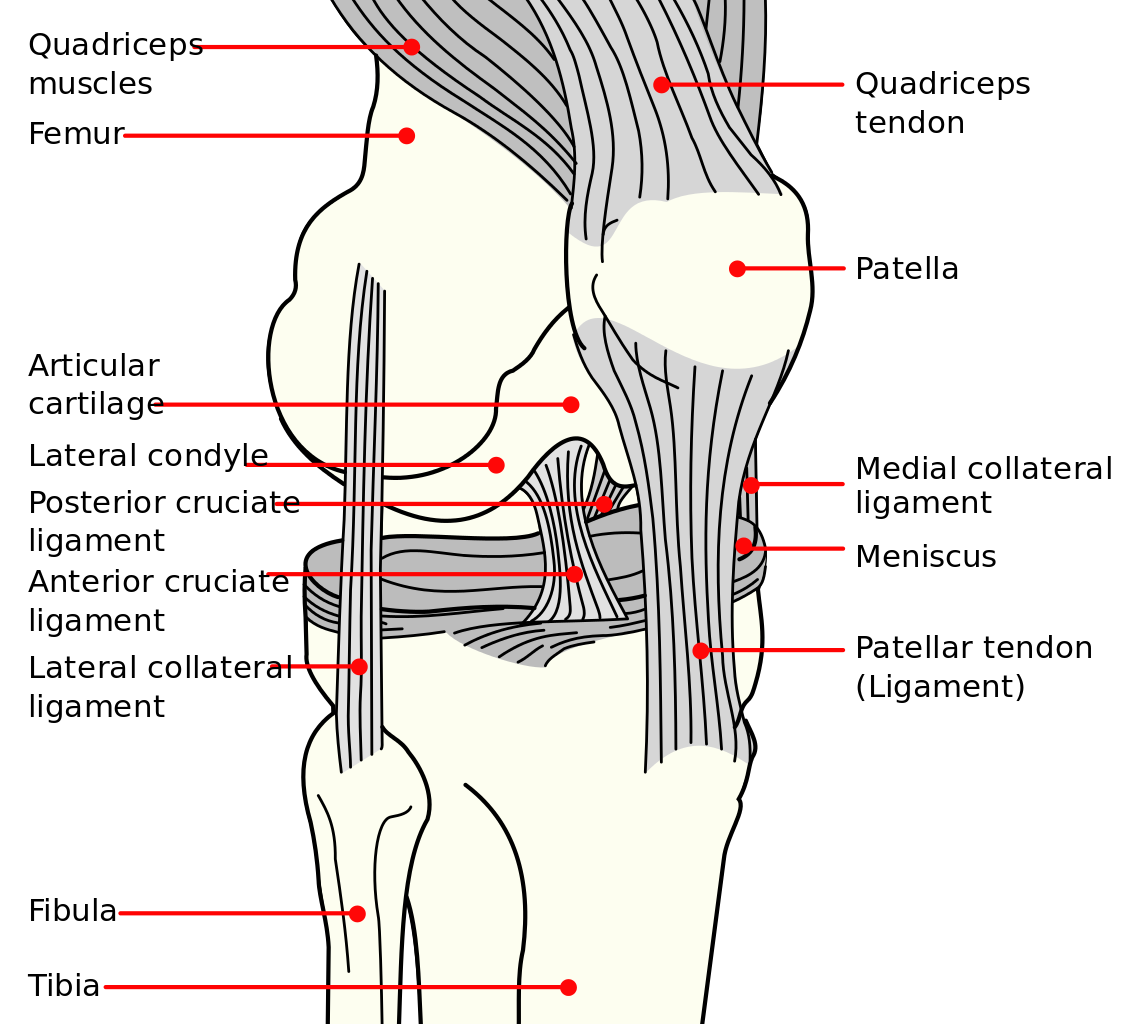
- patella
- noun
- The kneecap.
- Example: It attaches to the ligament of the patella and to various muscles, including the popliteus and the flexor digitorum longus.
- fr: rotule
- pectoral muscle
- noun
- Each of the four large paired muscles that cover the front of the rib cage and serve to draw the forelimbs toward the chest.
- Example: This type of block indicates conduction problems at the infranodal level (His bundle) and carries a greater risk of the heart progressing to complete heart block. 2:1 or 3:1 block occurs when every second or third P wave conducts to the ventricles (always in a fixed ratio). [5] Permanent pacemakers are implanted in the body subcutaneously in front of the pectoral muscle.
- fr: muscle pectoral

- phalanges
- plural noun
- 2 plural phalanges : one of the digital bones of the hand or foot of a vertebrate. 3 plural usually phalanxes. a : a massed arrangement of people, animals, or things a phalanx of armed guards. b : an organized body of people a phalanx of lawyers.
- Example: There has also been preferential loss of the small foot bones: phalanges (phal) and metapodials (met).
- fr: phalanges

- popliteus
- noun
- The Popliteus is a small, thin, flat, triangular shaped muscle of the lower leg. It is a deep muscle of the knee joint, forming the floor of the popliteus fossa. It also makes up the lateral musculature of the knee joint, along with the iliotibial band.
- Example: It attaches to the ligament of the patella and to various muscles, including the popliteus and the flexor digitorum longus.
- fr: poplité

- pubis
- noun
- Either of a pair of bones forming the two sides of the pelvis.
- Example: Mrs delivered vaginally following a difficult pregnancy, as she was suffering from Symphysis pubis Dysfunction and sciatica.
- fr: pubis

- quadriceps
- noun
- The large muscle at the front of the thigh, which is divided into four distinct portions and acts to extend the leg.
- Example: By Dec. 1, 1958, the weakness in the pelvic and quadriceps muscle groups was appreciably worse, and it became difficult for the patient to rise unaided from a sitting or reclining position.
- fr: quadriceps

- radius
- noun
- The thicker and shorter of the two bones in the human forearm.
- Example: Past Medical History Medical Fracture left radius 1994 Gastroenteritis 2003 No asthma No angina No epilepsy No DVT PE Surgical No previous surgery Social History lives with his parents in and is currently employed in a temporary office job.
- fr: radius

- rectus abdominis
- noun
- Any of the several straights muscles. Each of a pair of long flat muscles at the front of the abdomen, joining the sternum to the pubis and acting to bend the whole body forward or sideways.
- Example: No history of headaches or migraines Past medical history: No history of hypertension, diabetes, MI, CVA, cholesterol, COPD, Asthma, RF 1948 - intersusseption 1982 - cholecystectomy 1988 - knee arthroscopy (right) 1996 - bilateral inguinal herniorrhaphy 1999 - Abdominal abscess and colon cancer (weighed 1 kg) 1999 - DVT 2000 - abdominal wall cancer resection (superior segment of rectus abdominis replaced with mesh) Family history: Mr's mother lived until she was 98; his father died at 67 of a smoking related illness and his sister died at the age of 8 due to haemophilia.
- fr: muscle droit de l'abdomen (abdominaux)

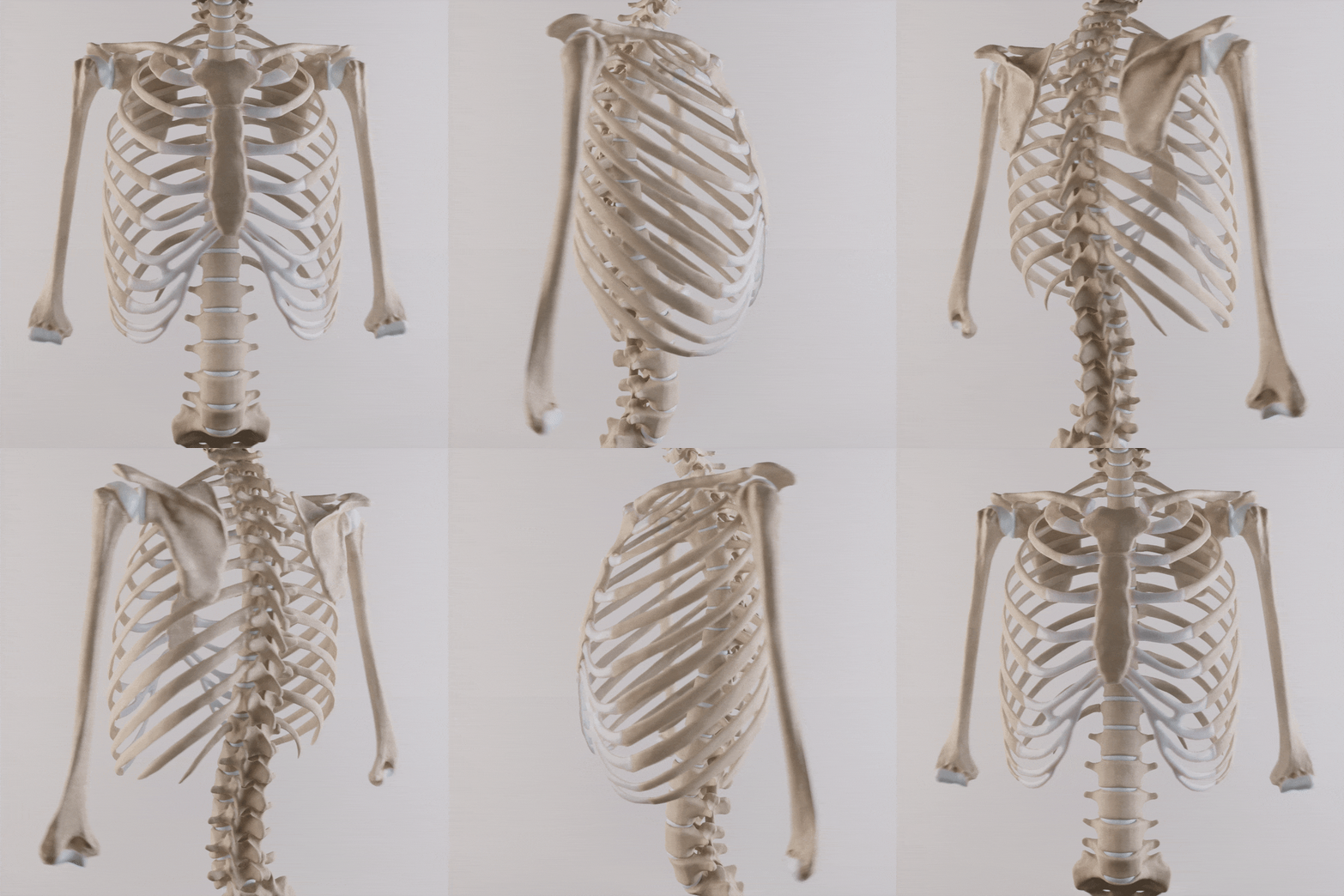
- ribs
- plural noun
- Each of a series of slender curved bones articulated in pairs to the spine (twelve pairs in humans), protecting the thoracic cavity and its organs.
- Example: These results in exaggerated abundances of such elements as ribs, vertebrae and finger bones, all of which occur in higher numbers in the mammalian skeleton than do skulls, mandibles and major limb bones.
- fr: côtes
- sacrum
- noun
- The large broad bone forming the upper part of each half of the pelvis.The sacrum is a shield-shaped bony structure that is located at the base of the lumbar vertebrae and that is connected to the pelvis. ... Joined at the very end of the sacrum are two to four tiny, partially fused vertebrae known as the coccyx or "tail bone".
- Example: Kendall et al. (2005: 383) suggest normal active SLR ROM to be 80° with the lower back and sacrum flat on the table to stabilize the pelvis in the posterior tilt.
- fr: sacrum

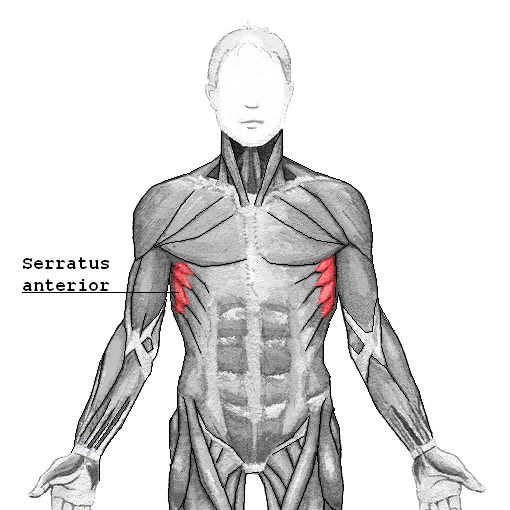
- serratus anterior muscle
- noun
- One of the serratus muscles of the back and thorax. The serratus anterior originates from the lateral aspect (the side) of first eight to nine ribs and inserts into the medial margin of the scapula (wing bone). The serratus anterior rotates the scapula and pulls it forwards and elevates ribs.
- Example: At its posterior margin, the circular base of the breast rests on the deep pectoral fascia overlying pectoralis major and serratus anterior, there is however a loose connective tissue plane between these two structures which gives rise to the retromammary space.
- fr: muscle dentelé antérieur
- shoulder blade
- noun
- One of the larges flat triangular bones which lie against the ribs in the upper back and provide attachments for the bone and muscles of the upper arm.
- Example: History of Presenting Complaint. presented with a 3-year history of a mole on his right shoulder blade.
- fr: omoplate

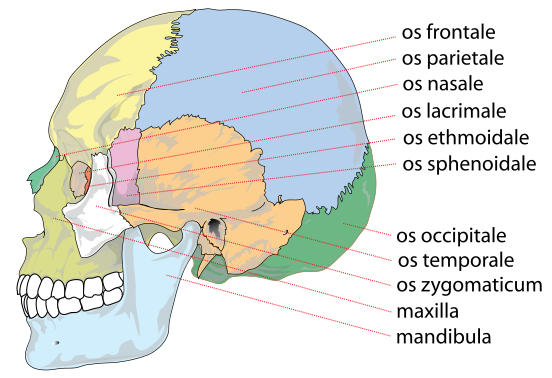
- skull
- noun
- A framework of bone or cartilage enclosing the brain of a vertebrate; the skeleton of a person's or animal's head.
- Example: None of the bones is broken as a result of weathering, not even the skull, and the degree of modification seems surprisingly restricted.
- fr: crâne
- spine
- noun
- A series of vertebrae extending from the skull to the small of the back, enclosing the spinal cord and providing support for the thorax and abdomen; the backbone.
- Example: X-ray images of her chest, pelvis, c-spine and feet were obtained along with CT scans of her head and c-spine.
- fr: colonne vertébrale

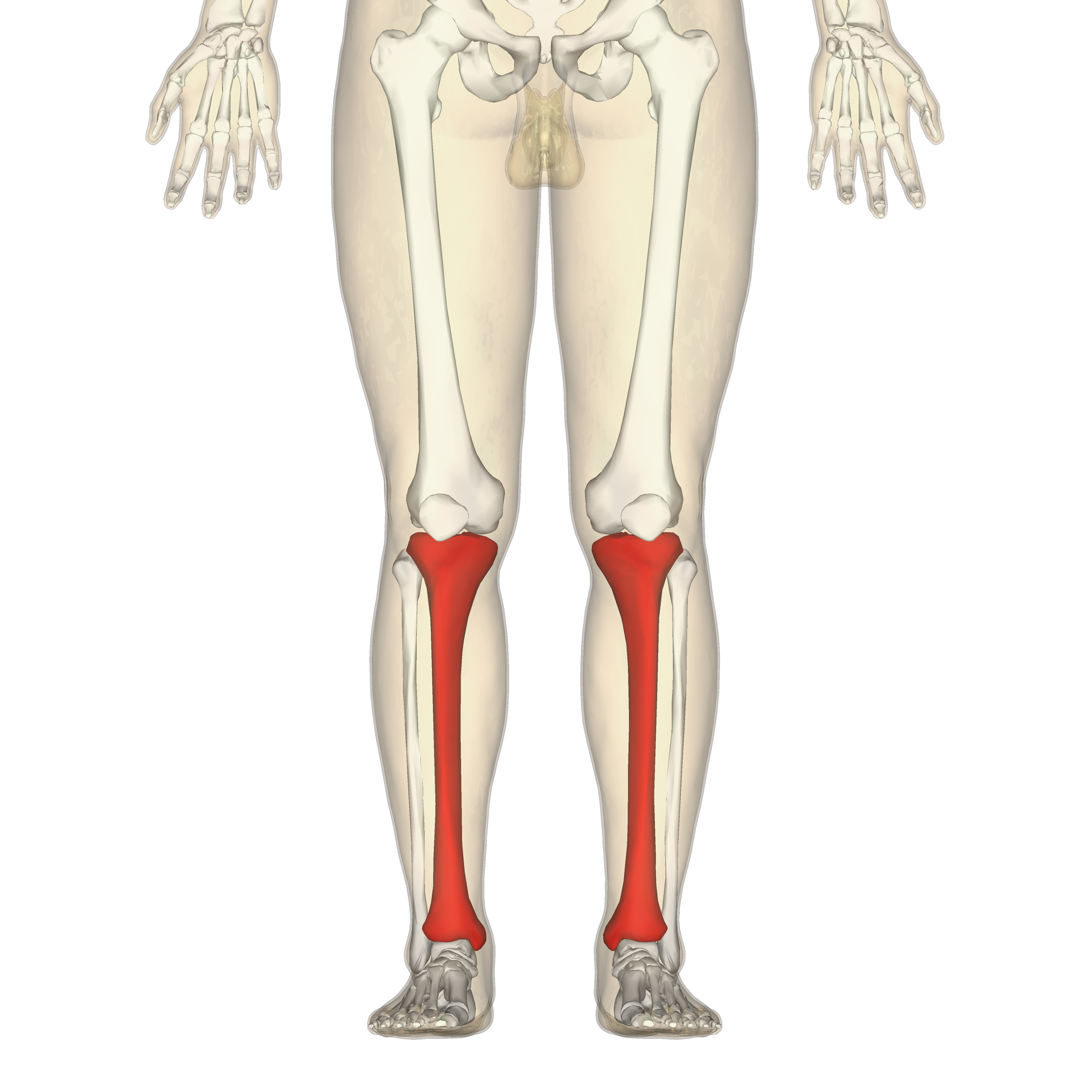
- tibia
- noun
- The inner and typically larger of the two bones between the knee and the ankle (or the equivalent joints in other terrestrial vertebrates), parallel with the fibula.
- Example: The other skeletal elements displayed are mandible (mand), maxilla (max), scapula (scap), humerus (hum), radius (rad), ulna, pelvis (pelv), femur (fem), tibia (tib) and vertebrae (vert).
- fr: tibia
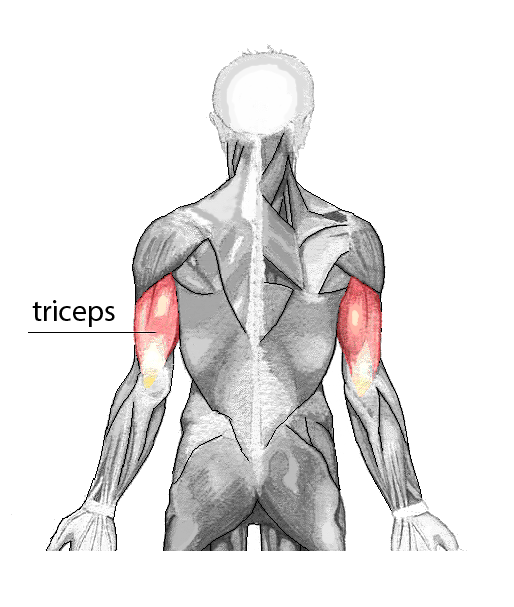
- triceps
- noun
- Any of several muscles having three points of attachment at one end. The large muscle at the back of the upper arm.
- Example: Other measurements include triceps skin fold thickness (Garn and Clark 1976) or an obesity index that combines weight gain, suprailiac skin fold, and waist size (Crawford et al . 1974).
- fr: triceps
- trochanter
- noun
- Any of two bony protuberances by which muscles are attached to the upper part of the thighbone.
- Example: A. insectivore mandible (×20); B. broken tip of ascending ramus of insectivore mandible (×75); C. femur head with impact damage on edge of articular surface with a crack extending from it (×75); D. abraded edge of greater trochanter (×38); E. femur and pelvis (×11); F. broken end of femur shaft with little evidence of rounding (×75); G. broken end of pelvis with crack extending down from uneven break but little evidence of rounding (×75); H. two distal humerus fragments (×12).
- fr: trochanter

Comments
Post a Comment